When AI Isn’t Sexy: Avoiding Legal Pitfalls in a Deepfake Era
Artificial intelligence has revolutionized the adult content industry, opening new doors for creators and fans alike. From AI-generated voice bots to photo-realistic avatars, digital tools are changing how content is made, consumed, and monetized. But with these exciting innovations come legal and ethical challenges that creators can no longer ignore.
In 2025, lawsuits surrounding AI-generated likenesses, deepfakes, and unauthorized content have skyrocketed. Whether you’re using AI to enhance your brand or protect your privacy, understanding the legal landscape is critical.
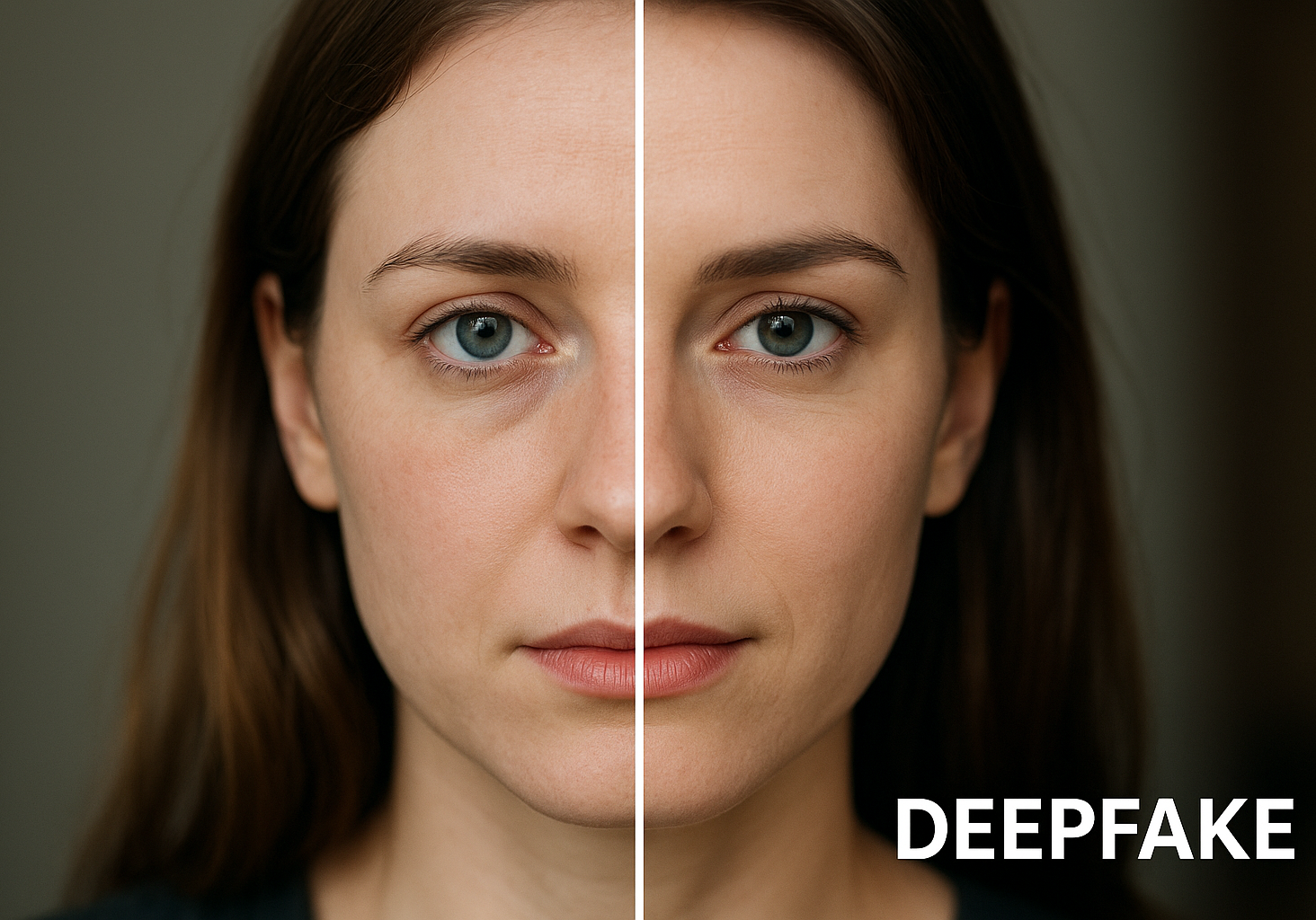
The Deepfake Dilemma: Consent Is Key Deepfake technology can recreate a person’s face, body, or voice with astonishing accuracy. All it takes is a few reference images or seconds of video footage, and AI can generate entirely new adult content using someone else’s likeness. While some creators are using this technology to creatively enhance their own content, others are venturing into dangerous territory by replicating celebrities, influencers, or fellow creators without permission.
This raises serious legal red flags. In many countries and U.S. states, using another person’s likeness for adult content without clear, written consent can lead to civil lawsuits and even criminal charges. Additionally, most major platforms prohibit impersonation and non-consensual AI-generated content.
Take the case of Scarlett Johansson. In early 2024, she filed a lawsuit against an app that used an AI-generated voice clone that sounded just like her in an adult context. Even though the app was taken down, the damage was done. This case set a precedent, warning others that deepfake misuse could have serious consequences.
AI and Copyright: Is Your Content Safe to Use? Another legal gray area involves how AI content is created. Many popular AI tools are trained on massive datasets that include copyrighted material, often without the original creators’ knowledge or permission. That means the image or video you generate using AI could be considered a “derivative work” based on stolen content.
Lawsuits have already been filed against AI developers for scraping copyrighted videos and images from subscription-based adult sites. If you’re using an AI tool that lacks transparency about its training data, you could unintentionally be publishing unauthorized content—and exposing yourself to DMCA takedowns or worse.
Tip for Creators: Choose tools that clearly state they use opt-in or royalty-free datasets. Always retain proof of prompts, output files, and terms of service for your records.
Platform Rules: What You Can (and Can’t) Post Just because content is legal doesn’t mean it’s allowed on every platform. As of 2025, major adult content platforms have set strict guidelines for AI-generated material.
- OnlyFans prohibits impersonation, including AI recreations of other people.
- Fansly requires full disclosure and proof that AI images are based on your own likeness.
- Pornhub bans non-consensual deepfakes and may flag AI content uploaded without verification.
Several creators have reported account suspensions or permanent bans after uploading AI-generated content that didn’t follow platform policies. Even if the content was self-made, without proof, it might trigger moderation systems or copyright complaints.
Cloning Yourself with AI: Smart or Risky? Some creators are exploring ways to scale their businesses using AI versions of themselves. This includes generating synthetic nudes, custom voice bots, or chat companions trained on their personality and scripts. While this can be profitable and efficient, it also poses new risks.
Once your digital likeness is out there, it could be cloned by others. Additionally, some AI service providers sneak ownership clauses into their terms, giving them the right to reuse your avatar or voice model.
Protect yourself by reading contracts closely, registering copyrights for your AI likeness, and maintaining a clear brand distinction between your real self and AI content.
International Laws Are Evolving Quickly AI-related adult content is under scrutiny worldwide. Countries are moving fast to regulate how likenesses and consent are handled:
- China criminalized non-consensual AI porn in 2023.
- UK introduced legislation to classify unauthorized deepfake porn as a sex crime.
- EU is finalizing the AI Act, which includes clear rules around consent and transparency.
Because online content is global, creators must consider these laws, especially if they have international audiences. A video that’s legal in the U.S. could be illegal in Germany.
Final Thoughts: Play Smart, Stay Safe AI is a powerful tool for creators, but with power comes responsibility. The legal, ethical, and reputational risks of misusing AI are real—and growing. Use AI in ways that enhance your brand, respect others, and protect your future. Your content should be exciting, creative, and compliant. That way, the only thing going viral is your success—not a lawsuit.