
Premature Ejaculation Treatment Gets a Tech Boost
You’re barely a few thrusts in when it happens again. That rising edge you’ve tried to breathe through, distract from, or delay is already taking over. You tense up, try to hold back—and hope this time will be different. But it isn’t. You climax far sooner than you wanted to.
It’s not just frustrating—it can feel defeating. Premature ejaculation (PE) often leaves men feeling disconnected from their partner, and even from themselves.
PE is one of the most common male sexual concerns, and yet it’s one of the most misunderstood and under-treated. Without a definitive cure, many people cycle through numbing creams, SSRIs, or “mental tricks” that often underdeliver.
But 2025 is ushering in a new wave of hope. Emerging technologies—many of them drug-free and on-demand—are being studied as potential tools to delay ejaculation and help men regain confidence in the bedroom.
What Is Premature Ejaculation?
The International Society for Sexual Medicine (ISSM) defines premature ejaculation as:
-
Ejaculation that consistently happens shortly after penetration (lifelong PE usually within one minute).
-
An inability to delay ejaculation during most sexual encounters.
-
Distress, frustration, or avoidance of intimacy as a result.
There are two types: lifelong PE, which starts from a man’s first sexual experiences, and acquired PE, which develops later—often due to stress, medical changes, or psychological shifts.
Interestingly, these definitions focus mainly on heterosexual vaginal sex. There’s still limited research on how PE presents in same-sex relationships or with anal sex, making this an important gap to address in future studies.
Older surveys reported that 20–30% of men experience PE, but with more specific diagnostic criteria, recent estimates are closer to 5%.
What Causes PE?
The exact causes of PE remain complex. Lifelong PE appears tied to neurochemical imbalances, particularly low serotonin levels that affect arousal and ejaculatory reflexes. Increased penile sensitivity, hormone issues, or genetic factors might also be involved.
Acquired PE, however, is more commonly linked to relationship issues, stress, anxiety, prostate concerns, or erectile dysfunction.
Because PE is self-reported and based on emotional distress more than biological markers, it often flies under the radar—despite significantly impacting confidence and connection.
Standard PE Treatments: A Frustrating Cycle
Since the 1990s, men have turned to three main treatments:
-
Topical anesthetics like numbing gels or sprays (e.g., Kiiroo Delay Gel)
-
Antidepressants, particularly SSRIs
-
Behavioral therapy, including start-stop and squeeze techniques
While these options can help some, they’re often inconsistent or inconvenient. Most men stop using numbing creams due to reduced pleasure or partner dissatisfaction. SSRIs may have side effects or require daily dosing, and behavioral methods can be difficult to stick with.
The Tech Revolution: New Approaches in 2025
To break this cycle, researchers are exploring wearable and digital tools that offer precision and spontaneity. Among the most promising:
1. Transcutaneous Electrical Nerve Stimulation (TENS)
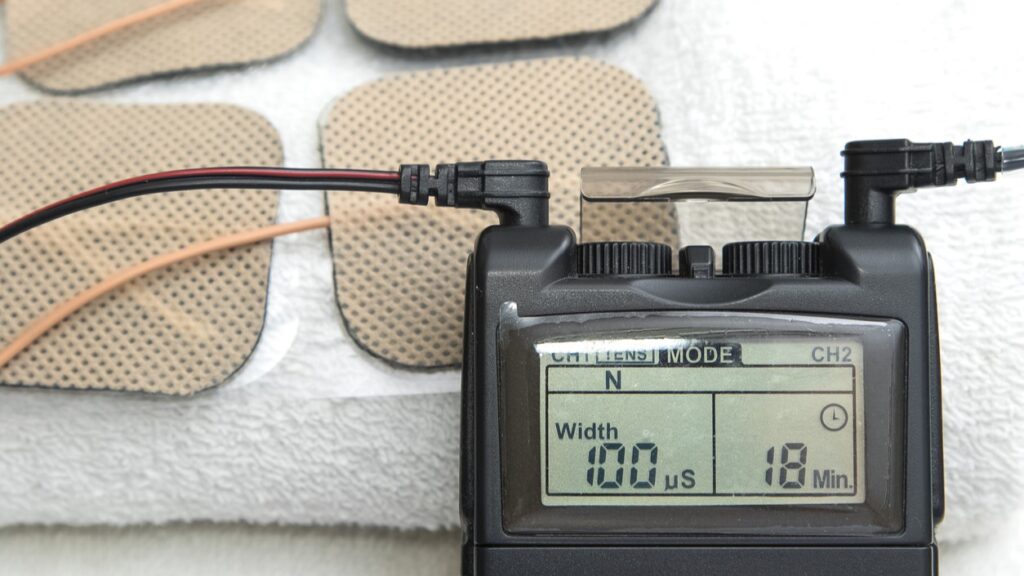
Drs. Ilan Gruenwald and Arik Shechter tested this technique on the perineum—the area between the scrotum and anus—using mild electrical pulses to interrupt the ejaculatory reflex. In one study, average ejaculation time increased from 2 to over 5 minutes.
2. The In2 Patch®
A sleek, on-demand perineal TENS device, the In2 Patch showed even more promise. In clinical trials, men using it nearly doubled their ejaculation time—from 67 to 123 seconds—without serious side effects.
3. Posterior Tibial Nerve Stimulation (TPTNS)
This lesser-known technique sends signals via the ankle’s tibial nerve to affect pelvic nerves. Results have been mixed—some men tripled their stamina, while others showed only minor gains. Still, it’s a low-risk area for continued research.
4. Masturbation Training with Smart Devices
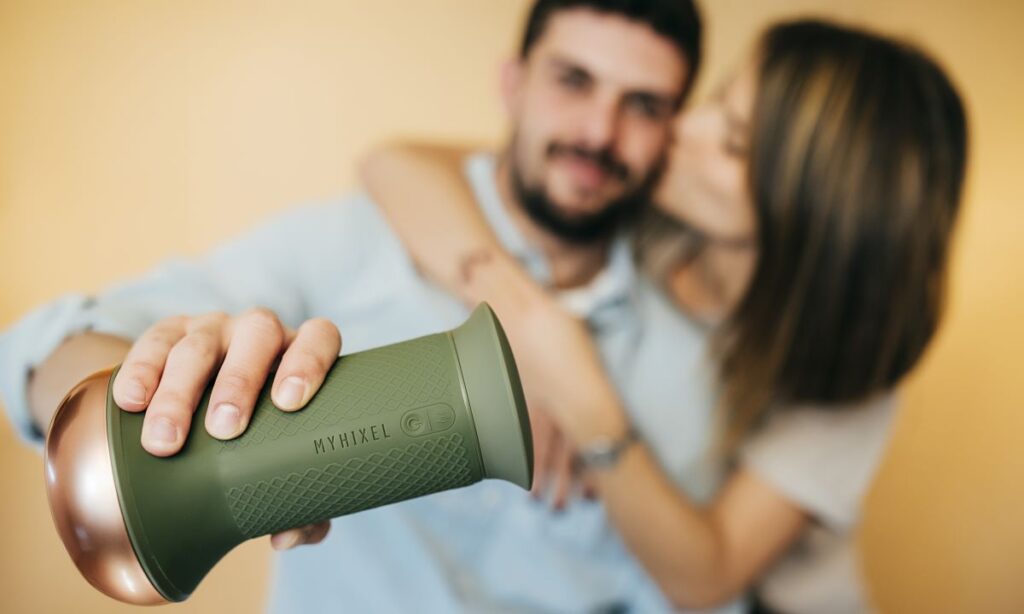
Devices like the Myhixel® TR Endurance Trainer blend realistic stimulation with training programs. In trials, men using the device alongside behavioral techniques saw better improvement (90 seconds longer) than those using behavioral methods alone.
Smart sex toys like the Kiiroo Titan—an interactive penis stroker—are also being explored for stamina training, combining pleasure with control.
The Future of PE Treatment
For decades, PE has felt like a frustrating, often silent struggle. But new tech-based tools are finally offering hope. From wearable nerve stimulators to smart masturbation aids, the future of PE treatment is shifting toward personalization, spontaneity, and confidence-building—with fewer side effects and more freedom.
While larger clinical trials are needed, especially inclusive of diverse relationship types and sexual practices, these innovations could redefine how men—and their partners—experience intimacy.
In short: treatment is getting smarter, more discreet, and finally, more aligned with real-life desire.