
From Sin to Slay: When Historical Desires Make a Modern Comeback
Have you ever caught yourself fascinated by something that, centuries ago, would’ve caused pure scandal? Maybe it’s a fascination with roles, rituals, or the symbolism of power and surrender. If so, congratulations — you’re simply part of a timeless human story.
For as long as people have existed, desire has taken shape in ways that reflect culture, faith, and fantasy. What was once branded as sinful or shameful is now being reframed through the lens of understanding, respect, and consent. Welcome to the age where historical desires are being rediscovered — not as taboo secrets, but as art forms of emotional and sensual expression.
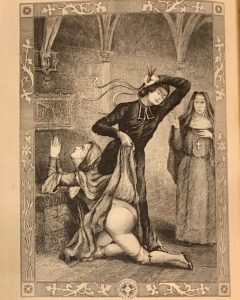
Desire Has Always Existed — Just Not on Social Media
Human imagination has always been bold. In the grand salons of 18th-century Europe or behind the monastery walls of the Middle Ages, people explored their curiosity about power, ritual, and release — even when society demanded silence.
Take the idea of “discipline,” for instance. What once carried spiritual or moral meaning now holds symbolic power in modern relationships — not as punishment, but as a way of exploring trust and intensity. Similarly, the fascination with roles of authority and submission — whether drawn from medicine, religion, or education — often reflected the structures people lived within. Today, those same themes are being revisited with awareness and mutual understanding.
When we bring these themes into a consensual, creative setting, they transform. The context shifts from repression to reclamation — a way to turn old fears into new forms of connection.
Why Historical Fantasies Still Captivate Us
So why do old-world aesthetics still feel so electrifying? It’s not just about the clothing, settings, or roles — it’s about emotional storytelling. A candlelit room, the rustle of fabric, the weight of authority, or the act of confession — these all carry emotional charge because they mix restraint with release.
Modern culture has grown tired of sterile, one-note expressions of attraction. People crave drama, narrative, and meaning. The return of historical inspiration in modern romance and roleplay is about reclaiming imagination — turning the past’s “don’ts” into deliberate, empowered “dos.”
It’s not about shock value. It’s about transforming taboo into artistry.
How to Explore Historical Themes Safely and Creatively
If you’re intrigued by these old-world aesthetics, here’s how to bring them into your personal life in ways that feel safe, fun, and respectful:
1. Do Your Research
Understanding the era or tradition you’re inspired by makes everything more authentic. Learn about the clothing, language, and social customs. Immersing yourself in history turns play into a richer experience — and deepens the emotional tension and storytelling.
2. Communicate Clearly
Many of these themes involve power dynamics. Always talk about what feels comfortable, what doesn’t, and how far you want to go. Boundaries and mutual consent make any exploration not only safe but also far more exciting.
3. Create the Atmosphere
Set the mood — maybe through vintage decor, candles, or music inspired by the era. These subtle details transform imagination into immersion. The goal isn’t to recreate the past but to reinterpret it through your own lens.
4. Reclaim the Narrative
Some historical fantasies come from systems of control — religious guilt, social repression, or medical authority. Today, they can be reimagined as acts of empowerment, where everyone participates willingly and equally. What was once about shame can now become a celebration of freedom and curiosity.
From Shame to Expression
The beauty of rediscovering historical “sins” lies in their reinvention. A ritual once used for control can now symbolize mutual trust. A costume that once represented obedience can now represent confidence. It’s not about repeating the past — it’s about rewriting it with awareness, imagination, and balance.
Desire, after all, is part of being human. It evolves, adapts, and finds new forms of expression across centuries. So whether you’re inspired by candlelit confessionals, Victorian elegance, or the theatricality of old-world romance, remember this: curiosity is timeless, and when it’s met with consent and creativity, even the oldest taboos can be transformed into modern art.