
Are AI Nude Celebrities Too Real to Ignore? The Allure—and the Problem
AI-generated celebrity imagery has crossed from curiosity to crisis. It’s getting shockingly lifelike, disturbingly accessible, and far too easy to forget that the people in those fake images never consented to being part of your fantasy.
So here’s the uncomfortable truth: yes, some of these AI-generated “nude” celebrity depictions look appealing. But that’s exactly what makes the issue so serious. We’re being seduced by something unethical, and we’re mistaking exploitation for entertainment.
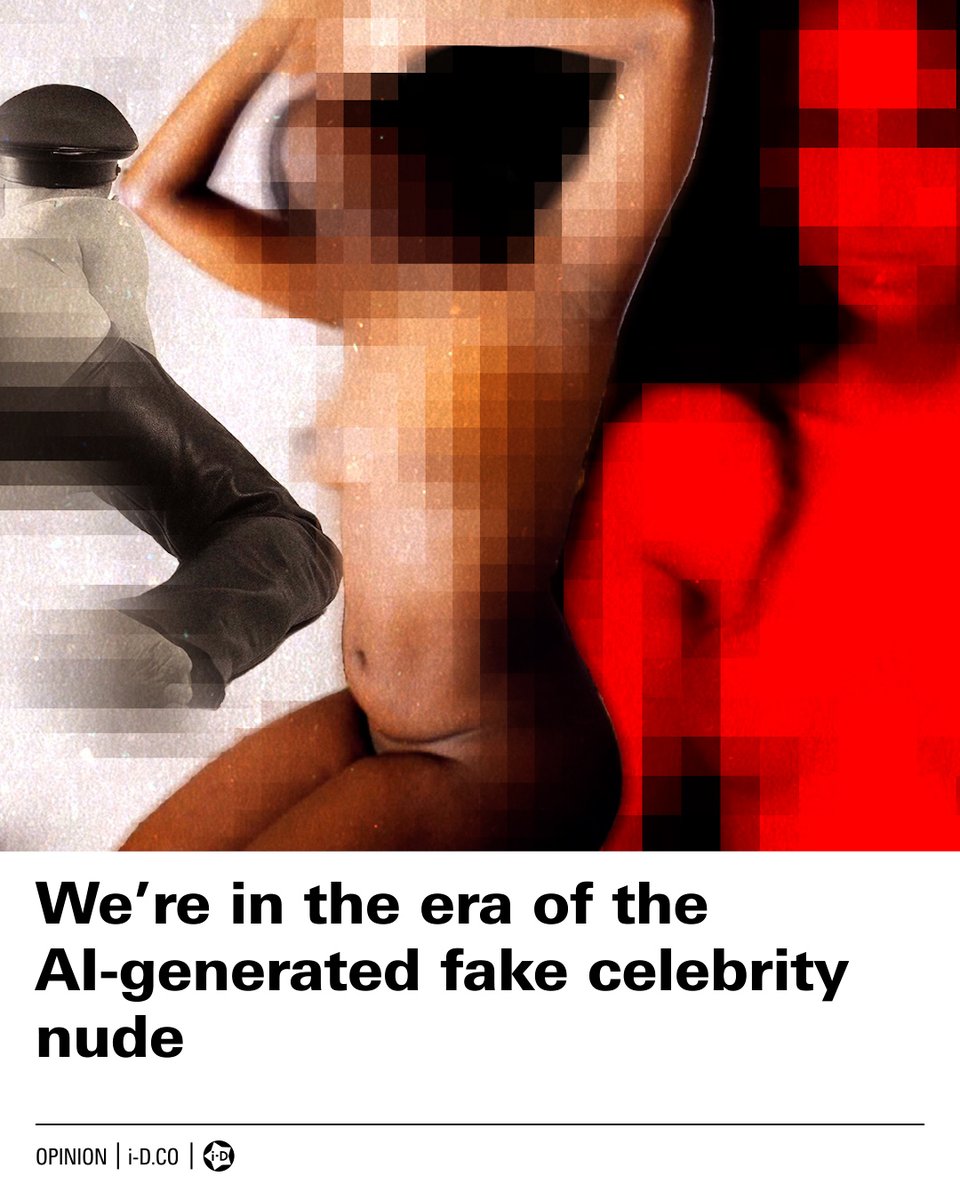
The AI Fantasy No One Agreed To
Deepfake imagery isn’t new, but it’s evolving faster than our ability to regulate or even recognize it. What used to be obvious Photoshop work has turned into hyper-realistic digital performances that mimic real faces, voices, and expressions.
A quick search in the darker corners of the internet reveals convincingly simulated images of major public figures—from film stars to politicians—posed or animated in intimate ways. None of them gave permission. Yet their likenesses are circulating online as though consent were optional.
It’s not just about celebrities. Once tools became user-friendly and inexpensive, the target list expanded: influencers, streamers, and even private citizens. With a few clicks, anyone’s face can be mapped onto another body. The boundary between fantasy and violation has never been thinner.
When the Fake Feels More “Perfect” Than Reality
Part of what makes this issue so complex is the appeal. AI-generated imagery tends to exaggerate everything that pop culture already idolizes—flawless skin, perfect lighting, idealized proportions, and just the right expression. These creations deliver fantasy without the reality of boundaries, fatigue, or rejection.
But when fantasy looks this real, our moral compass begins to blur. Viewers start treating simulated people as public property. We rationalize our curiosity under the umbrella of “harmless imagination,” even as real people experience humiliation, anxiety, and a total loss of control over their digital selves.
It’s not evolution. It’s exploitation wrapped in pixels.
Consent Isn’t Optional—Even for the Famous
The heart of the issue isn’t attraction; it’s consent. Being aroused by digital art or simulated beauty isn’t inherently wrong—but using someone’s image, voice, or identity without their approval crosses a line.
Consent isn’t a suggestion; it’s a foundation. And deepfake content demolishes it entirely. A celebrity doesn’t stop deserving bodily autonomy because they’re famous. Fame isn’t a free pass for the public to digitally reimagine you however it pleases.
In 2019, California passed AB 602, one of the first laws aimed at banning nonconsensual synthetic pornography. It was a start—but enforcement remains nearly impossible. Platforms often act only when victims discover and report fakes themselves. And by then, the damage is viral and permanent.
Fantasy vs. Responsibility
There’s a key distinction between private imagination and public exploitation. Everyone has fantasies. The ethical question arises when those fantasies are turned into shareable, realistic content—especially when built from someone else’s face and body.
Deepfake tools give people power without accountability. The technology isn’t inherently evil; it can be used for satire, education, or creative storytelling. But in the context of sexualized content, it exposes an uncomfortable truth: we’re more interested in control than connection.
When desire overrides empathy, fantasy stops being sexy—it becomes invasive.
The Real Cost of a Fake Image
The harm here isn’t hypothetical. Victims of deepfake content often describe trauma similar to survivors of real image abuse: shame, panic, public ridicule, and loss of agency. The damage extends beyond reputation—it’s psychological, emotional, and often career-threatening.
And yet, the internet rewards virality over ethics. The more realistic the fake, the more clicks it gets. In that sense, AI nude celebrity imagery is less about pleasure and more about power—about what happens when technology outpaces empathy.
Where We Go From Here
The solution isn’t censorship—it’s responsibility. Creators, platforms, and viewers alike need to redefine ethical boundaries for AI-generated media. That means stricter consent-based laws, digital watermarking, and platform accountability.
But it also means rethinking how we consume fantasy. Being curious about beauty, intimacy, and desire is human. Reducing real people to synthetic playthings isn’t.
The allure of AI perfection is strong, but if our version of pleasure depends on violating consent, then we’re not evolving—we’re regressing.
The next time an AI-generated celebrity image crosses your feed, ask yourself not just “Is it real?” but “Is it right?” Because desire without empathy isn’t fantasy—it’s exploitation dressed as innovation.