These Are the Countries Banning OnlyFans in 2025
The global crackdown on OnlyFans isn’t just about adult content—it’s about control, censorship, and who gets to define freedom online.
In 2025, posting a photo online could mean building a thriving business or facing legal punishment—depending on where you live. While some creators enjoy the privilege of freely monetizing their content, others face government surveillance, blocked payments, or even criminal charges. From Indonesia to India, OnlyFans has become the new target in a global wave of digital censorship—and the motivation runs much deeper than “protecting morality.”
Originally launched in 2016 as a subscription platform for all creators, OnlyFans became a defining space for digital independence—especially for adult entertainers, influencers, and artists looking to take ownership of their work. The platform’s model empowered individuals to connect directly with audiences, bypassing exploitative systems and middlemen. But that very autonomy is now what threatens traditional structures of control.
Because when people profit from their own creativity and image, power begins to shift.

Is the Ban Really About Morality?
Governments claim these bans are about protecting society—but the real story is about policing identity, independence, and expression.
In Indonesia, for instance, strict anti-pornography laws have made digital content creation a criminal risk. In 2024, a creator was arrested under charges of sharing “obscene material,” facing prison time despite working privately online. Such incidents reveal a pattern: moral justifications masking the suppression of creative and financial autonomy.
In India, creators can legally access OnlyFans—but producing adult content within national borders can lead to prosecution under the Information Technology Act and the Indian Penal Code. Penalties range from heavy fines to prison time, with banks often freezing related earnings. The message is clear: profit from your image, but not that kind of image.
Meanwhile, in Russia, creators are allowed to post—but sanctions have severed access to international payments. They can upload content, but they can’t get paid, effectively cutting off livelihood while pretending to permit “freedom.”
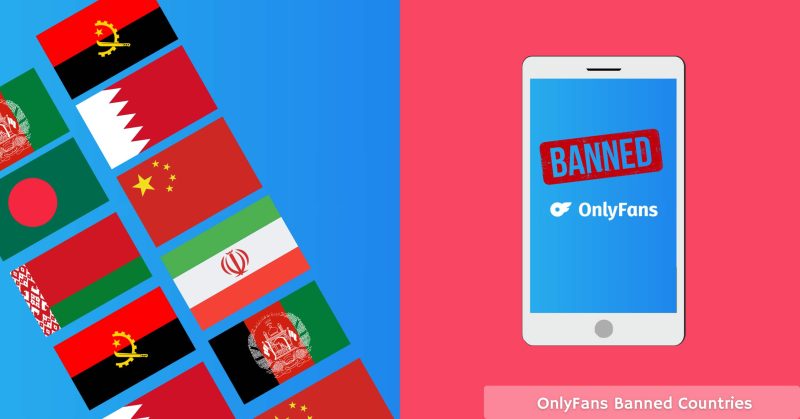
Countries Where OnlyFans Is Fully Banned (2025)
Some nations have moved toward total prohibition, blocking the site outright or restricting it through censorship policies. These include:
Afghanistan, Algeria, Bangladesh, China, Cuba, Egypt, Iran, Iraq, Kuwait, North Korea, Pakistan, Saudi Arabia, Sudan, Syria, and the United Arab Emirates.
In many of these regions, any form of adult content is already outlawed. Platforms like OnlyFans, especially those linked to women’s autonomy or LGBTQ+ expression, are seen as cultural threats. But beneath the rhetoric lies a more calculated goal—silencing voices that reclaim control of their narrative, their body, and their income.
In Iran and Saudi Arabia, even viewing this type of material can result in severe penalties. It’s not just about uploading—it’s about enforcing conformity through fear.
The “You Can Watch, But Don’t Create” Approach
Some countries walk a fine line—allowing citizens to access the site but criminalizing content creation. This legal gray area leaves creators vulnerable.
In Malaysia, for example, laws against “immoral” online behavior are vague but carry serious risks. Section 292 of the Penal Code can be used against anyone distributing “obscene” materials, and interpretations vary widely.
In Thailand, adult material remains technically illegal, but enforcement is inconsistent. Local creators still operate—but with constant risk of shutdowns or arrests based on shifting moral standards.
Elsewhere, countries like Turkey, Vietnam, and the Philippines keep the platform available but under surveillance. Access can be restricted at any moment, and users rely on VPNs to bypass unpredictable censorship.
Why This Matters
When governments restrict platforms like OnlyFans, they’re not just banning a website—they’re blocking a movement. These restrictions suppress a digital economy that allows people, especially women and marginalized groups, to take control of their personal expression and financial destiny.
OnlyFans wasn’t just a marketplace—it became a symbol of choice, consent, and autonomy. For many, it provided not just income, but safety and independence from exploitative systems. The ongoing bans show that freedom—especially sexual and creative freedom—remains one of the most contested territories online.
So, the next time someone dismisses subscription platforms as “just for adult content,” remember: behind each post is a fight for digital freedom, dignity, and the right to exist authentically in a world still afraid of self-expression.