BDSM Collars & Their Meanings: A Guide to Symbolism & Etiquette
In the BDSM lifestyle, collars hold significant meaning, representing different stages of a Dominant/submissive (D/s) relationship. While some collars are purely decorative or used in play, others symbolize commitment, training, or ownership.
Here’s a breakdown of the most common types of BDSM collars and what they represent in a power exchange dynamic.
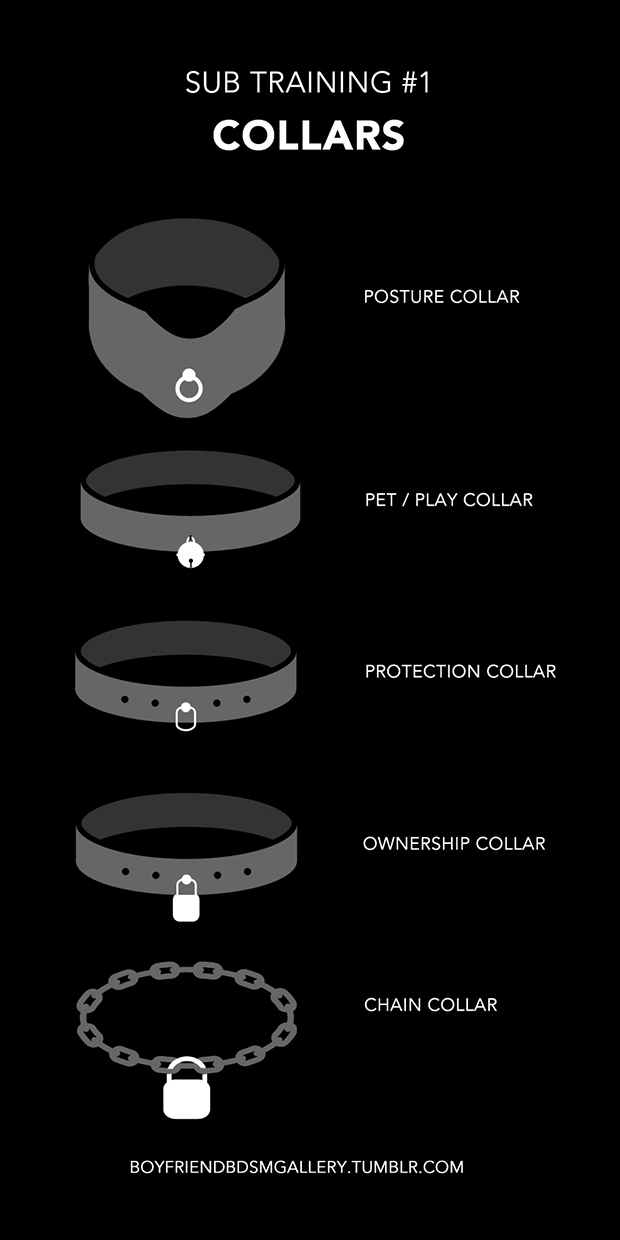
1. Posture Collar
A posture collar is a rigid, structured collar that helps maintain a submissive’s posture. Some designs extend high enough to touch the chin and the base of the skull, making movement difficult. These collars are used for:
- Enhancing posture and submission
- Photographic and fashion purposes
- Training a sub to keep their head up in a respectful position
Posture collars reinforce discipline and are more common in formal BDSM play rather than daily wear.
2. Play Collar
A play collar is worn during BDSM scenes but does not carry deep meaning. It is typically made from:
- Leather, ribbon, or standard dog collars
- Lightweight materials for comfort
- Easy-to-remove designs (often without locks)
Play collars are often used in pet play or casual BDSM encounters. They are more about fun and aesthetics rather than serious commitment.

3. Protection Collar
A protection collar signifies that a submissive is under the protection of a Dominant, even if they are not in a long-term ownership relationship. It is commonly used in:
- Dungeons, BDSM clubs, or private parties
- Situations where a Dom wants to deter unwanted advances
A protection collar tells others that the submissive is not freely available and should not be approached without permission.
4. Consideration Collar
A consideration collar is an early step toward commitment in a D/s relationship. It means that the submissive is being evaluated for a deeper, long-term connection. Key aspects include:
- A trial period before ownership
- Leather collars are common
- Can be revoked if the relationship doesn’t progress
This collar is not a guarantee of ownership, but it signals that the Dominant is seriously considering the submissive for a deeper bond.
5. Training Collar
A training collar signifies that a submissive is actively being trained by a Dominant. This collar represents discipline, learning, and progress in a power exchange dynamic.
- Often made of leather and may include locks
- Symbolizes control and structure
- Prepares a submissive for potential ownership
Some consideration and training collars can be substituted with a day collar (a discreet piece of jewelry) for public wear.
6. Ownership Collar (Formal Collar/Slave Collar)
The ownership collar is the most serious of all collars, equivalent to a wedding ring in BDSM. It represents:
- Complete submission and commitment
- Earning the Dominant’s trust over time
- A permanent or long-term relationship dynamic
Ownership collars vary in design and can include:
- Leather or metal collars
- Symbolic jewelry (bracelets, necklaces, rings)
- Permanent markings (tattoos or branding in Master/slave relationships)
This collar is never given lightly and often follows months or years of training, devotion, and mutual trust.
Proper Etiquette for Wearing & Respecting Collars
- Doms: If you see a submissive wearing a collar, do not approach or make advances without permission from their Dominant. Some Doms even require prior approval before conversation.
- Subs: If you wear a consideration, training, or ownership collar, do not remove it without your Dominant’s consent. Taking it off during an argument is considered disrespectful and may result in consequences.
What is a Collaring Ceremony?
A collaring ceremony is a formal event marking a submissive’s full commitment to their Dominant. It is often compared to a wedding ceremony in vanilla relationships. The event may be private or involve a group of close partners and friends.
Collaring symbolizes:
- The submissive’s dedication to their Dominant
- A mutual agreement on roles, boundaries, and rules
- A shift into a more permanent dynamic
Just as a Dominant must earn a submissive’s trust, a submissive must earn their collar through loyalty, obedience, and respect. A collar is not a right—it is a privilege that must be earned.
Share Your BDSM Journey on Avrebo
BDSM is a personal and evolving experience. Whether you are a submissive, Dominant, or curious about power dynamics, sharing knowledge helps break stigma and educate others. Join Avrebo as a content creator and share your experiences.